The war in Ukraine is about to enter its fourth winter, as Western efforts have so far failed to bring the warring parties to the negotiating table and end the ongoing conflict.
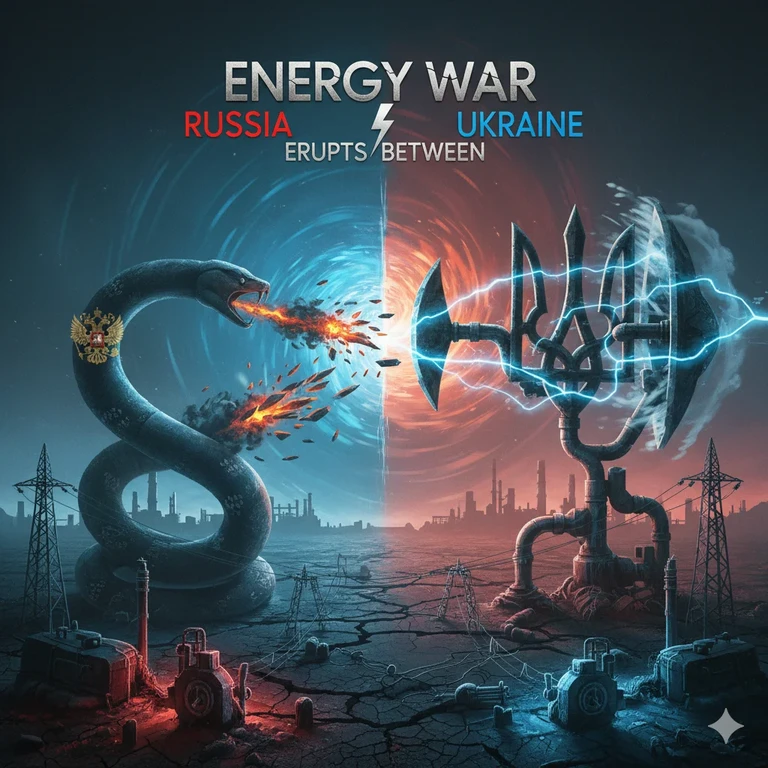
According to a report by The New York Times in its new newsletter “The World”, Russia and Ukraine are waging a parallel war to the one fought on the battlefield — an energy war in which each side targets the other’s energy infrastructure in an attempt to break the military stalemate.
The report stated that this energy confrontation has intensified recently following the announcement by the United States and Europe of a new package of sanctions targeting Russia’s oil industry — the main financial lifeline of the Kremlin’s war machine. The sanctions focus on Lukoil and Rosneft, with warnings to penalize any international entity that deals with them, in an effort to restrict Russian oil exports and choke its revenues.
Western powers, according to the Times, hope these pressures will push Moscow to back down, especially amid expectations that Russia’s military spending will decline next year for the first time since the war began. Meanwhile, Ukraine has managed to destroy or damage around 20% of Russia’s refining capacity, causing a severe fuel shortage within Russia. Yet Ukraine itself is also suffering from worsening energy shortages as Russian strikes on power and gas facilities have reduced gas production by nearly 60% and delayed the start of central heating in several cities.
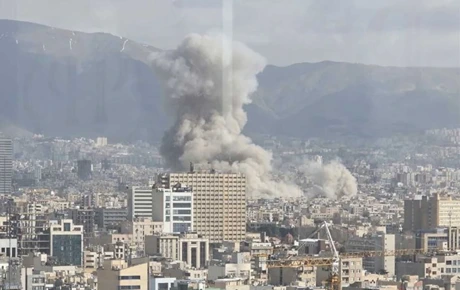
Russia, for its part, continues to target Ukraine’s energy infrastructure in a destructive campaign aimed at weakening its economy and morale as winter approaches.
The newspaper noted that neither side appears ready to make concessions anytime soon, as energy strikes have become a strategic tool in this prolonged conflict. Russia is betting on freezing Ukraine economically and psychologically, while Kyiv seeks to hit the Russian economy at its core.
The New York Times concluded that the “energy war” has become the decisive arena where both sides are wagering to break the political and military deadlock — a struggle that could shape the future of the conflict in the coming months.