Khartoum Calls for Civilian Protection After Rapid Support Forces Advance in Al-Fashir
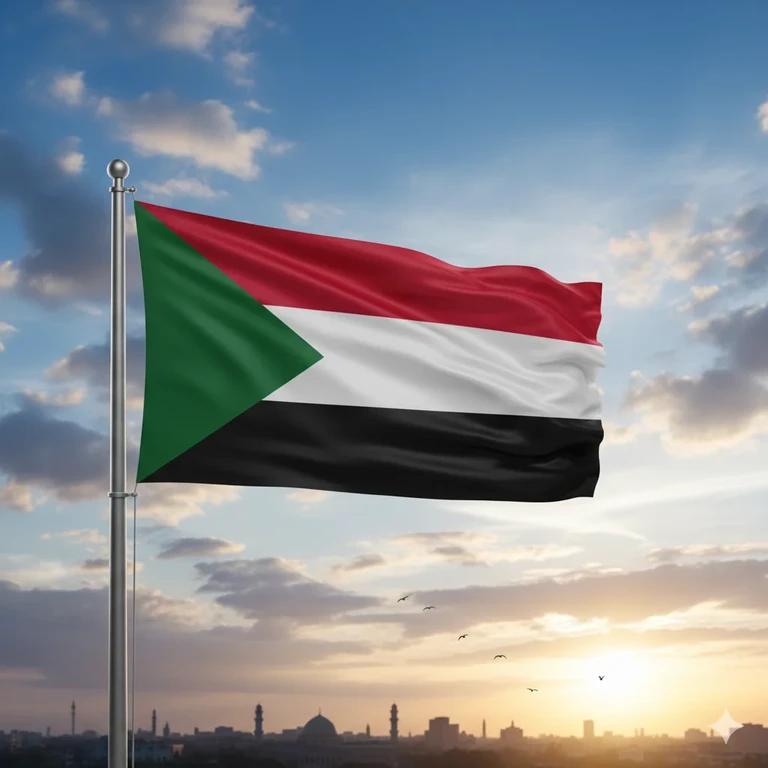
Sudan is witnessing a dangerous escalation in the ongoing conflict between the Sudanese Armed Forces and the Rapid Support Forces (RSF), following the latter’s announcement of control over key positions in Al-Fashir, the capital of North Darfur State. Amid this deteriorating situation, the government in Khartoum has issued an urgent call to protect civilians, as fears grow over a worsening humanitarian crisis in the region.
1. Background of the Conflict in Al-Fashir
Al-Fashir is one of the most important cities in the Darfur region, and its strategic location has made it a key battleground between the two warring parties.
For months, the city has been suffering from intense clashes and a suffocating siege, which have led to mass displacement and the collapse of essential health and food services.
In recent days, the RSF declared its capture of the headquarters of the 6th Infantry Division of the Sudanese army — a major development that shifted the military balance in North Darfur and raised serious concerns about the humanitarian situation inside the city.
2. The Meaning and Significance of Khartoum’s Call
1. Diplomatic and Media Pressure
Through this call, the government aims to mobilize international attention and urge human rights organizations to pressure the RSF and denounce civilian abuses.
It also seeks to restore media and global focus on the suffering in Darfur after a period of relative neglect.
2. Strengthening Moral and Political Standing
The statement serves to affirm the government’s commitment to international humanitarian law, emphasizing that it prioritizes civilian protection.
This position could provide Khartoum with diplomatic leverage in international forums and pave the way for renewed mediation efforts by regional actors.
3. Balancing the Power Narrative
Politically, the call carries symbolic weight — it conveys that the government remains engaged and influential, even amid military setbacks, and is trying to challenge the RSF’s growing dominance through moral and political channels.
3. The Challenges of Civilian Protection
While Khartoum’s call is important, implementing it faces multiple obstacles:
-
Lack of on-ground control: The government’s limited military presence in Al-Fashir makes it nearly impossible to ensure real civilian protection without external support.
-
Regional and local entanglements: Various regional actors and local militias with competing interests complicate peace efforts.
-
Humanitarian catastrophe: Damaged hospitals, food shortages, lack of clean water, and power outages continue to endanger thousands of civilians.
4. Possible Scenarios Ahead
1. Renewed International Mediation
Khartoum’s call could open the door to new diplomatic efforts, possibly from the United Nations or the African Union, to enforce a humanitarian ceasefire or create safe corridors for civilians.
2. Military Escalation
Conversely, the RSF might respond with further offensives to consolidate its control before any negotiations, deepening the humanitarian suffering on the ground.
3. Local Protection Initiatives
Grassroots efforts could emerge, with local organizations and community leaders taking action to provide temporary protection or humanitarian support — as seen in other Sudanese cities in recent months.
5. Reading the Situation: What Lies Ahead
Khartoum’s call to protect civilians reveals its awareness of the gravity of the moment and its attempt to leverage the humanitarian dimension of the conflict for political gain.
However, the true impact of this appeal will depend on tangible actions — not just statements.
Unless the call translates into practical measures such as securing humanitarian aid routes, halting attacks on medical facilities, and ensuring civilian safety, it risks remaining a symbolic gesture rather than a turning point for Al-Fashir’s residents, who are enduring one of the worst humanitarian crises in modern Sudanese history.
Conclusion
The RSF’s advance in Al-Fashir marks a critical juncture in Sudan’s war and may reshape the balance of power in Darfur.
Meanwhile, Khartoum’s appeal for civilian protection stands as both a political statement and a humanitarian plea — a call to salvage what can still be saved.
Yet, genuine improvement will require international willpower, coordinated pressure on all sides, and a renewed commitment to achieving a comprehensive and just peace that restores security and stability to Sudan.