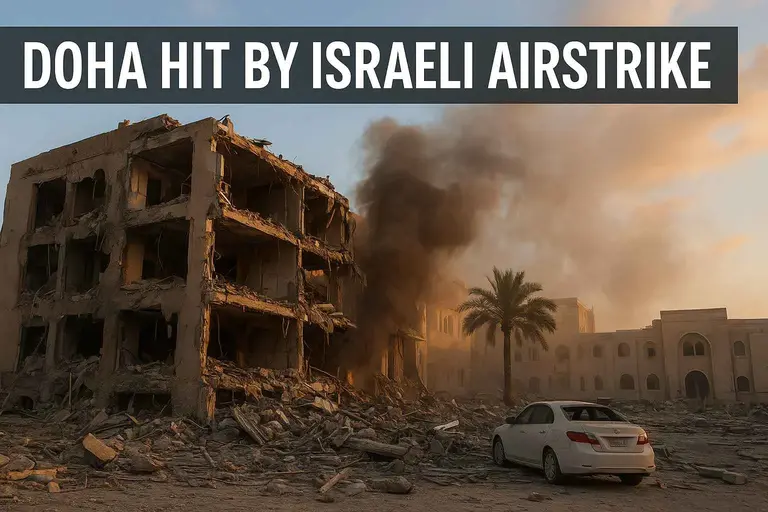
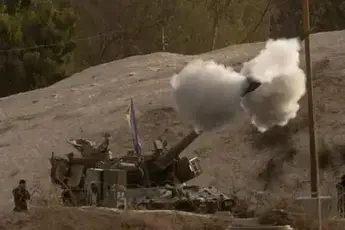
Yesterday at sunset, Doha’s Katara Cultural Village was not the stage for an artistic performance as usual. Instead, it shook under the sound of explosions that echoed across the Gulf and the wider region. Israel announced that it had targeted senior Hamas leaders who were meeting in Doha under Qatari–American mediation.
The scene was shocking—not only because it was unprecedented, but also because it broke an unwritten rule in international conflicts: mediators are treated as protected by virtue of their role, and host countries are regarded as neutral ground. The strike has raised serious legal and political questions: does Tel Aviv have the right to violate this principle, and what price might it pay as a result?
Doha’s response was swift and forceful. Qatar condemned the airstrike as a “treacherous attack” and an act of “state terrorism,” describing it as an attempt to destabilize regional security and stability. Prime Minister Sheikh Mohammed bin Abdulrahman Al Thani affirmed that his country would not hesitate to respond through legal channels, announcing the formation of a legal team to prepare a comprehensive case for presentation in international forums. He stressed that Qatari mediation would continue, adding: “Nothing will deter Qatar from pursuing its role in seeking a ceasefire and a prisoner exchange.”
Meanwhile, U.S. President Donald Trump expressed his discontent with the location and timing of the strike, noting that Washington had not been informed beforehand and that Israel’s notification came “far too late.” The White House issued a statement calling the operation “diplomatically ill-judged,” signaling an unusual moment of tension between the two traditional allies.
In the aftermath, it became clear that the strike was not seen solely as a military action, but also as a political move that ignited a wave of mounting international anger. As Qatar prepares to wage a legal battle to assert its sovereignty, Washington is struggling to contain the fallout without losing either of its partners in the region.