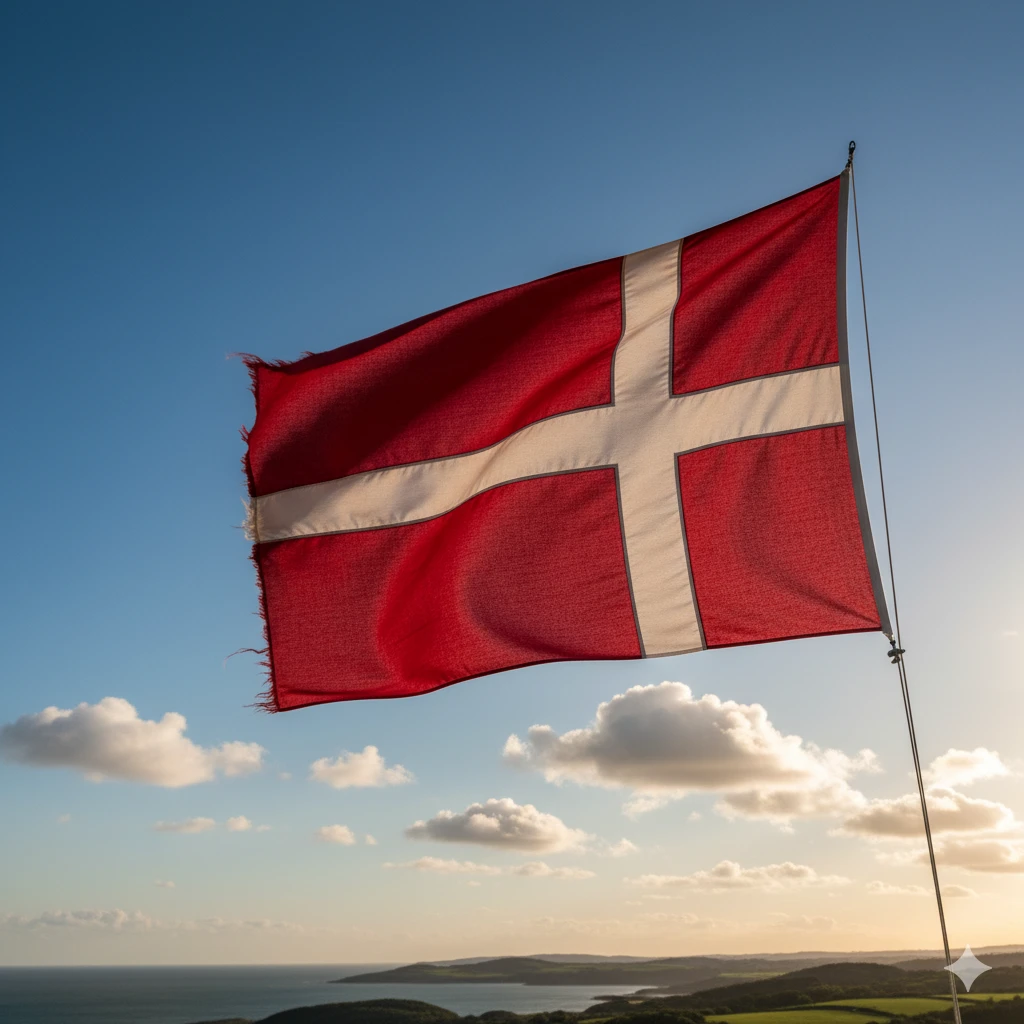
The Danish Military Intelligence Service has expressed growing concern about the future of Europe’s security amid rapidly shifting global geopolitical dynamics. According to its annual report released on Wednesday, the long-standing role of the United States — traditionally seen as Europe’s primary protector — now appears less certain, raising significant questions about the continent’s strategic stability. The report states that Denmark is currently facing its highest level of external threats in many years.
The intelligence assessment explains that major world powers are increasingly prioritizing their own strategic interests and are willing to use force or the threat of force to achieve their objectives. Russia and China, in particular, are identified as the most prominent countries posing direct challenges to Denmark and to European security as a whole.
Analysts highlight that Russia’s ongoing war against Ukraine since 2022 remains a central factor reshaping the European security landscape and deepening uncertainty about the continent’s future. The report adds that ambiguity surrounding the United States’ commitment to Europe’s defense — due to shifting internal politics in Washington and changing global priorities — has created an atmosphere of strategic fog. This uncertainty, it warns, may embolden Moscow to intensify its aggressive actions against NATO.
Although the report stresses that there are no indications of an imminent, large-scale Russian military attack on Denmark, it warns that the overall military threat against NATO is expected to increase, especially if Russia perceives weakness or hesitation within the Western alliance.
In a related context, Danish Prime Minister Mette Frederiksen emphasized during the EU leaders’ summit held in Copenhagen last October that Europe is already facing a “hybrid war” waged by Russia through various tools — including cyberattacks, disinformation campaigns, and aerial or maritime provocations. Frederiksen warned that the continent urgently needs to strengthen its defensive capabilities, stating firmly, “There is one country willing to threaten us, and that country is Russia. Therefore, we need a very strong response.”
Her remarks followed a series of alarming incidents in September, when unidentified drones were seen repeatedly flying over several locations in Denmark, raising questions about who might be behind them and what their objectives were.
Taken together, the intelligence report and Denmark’s political warnings reflect a growing European belief that the period of stability following the Cold War has entered a new phase of uncertainty — one that requires a thorough reassessment of the continent’s defense capabilities and international alliances to ensure long-term security.