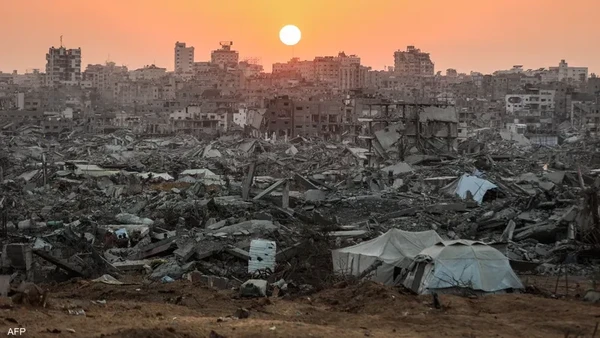
Days before a decisive vote, tensions are mounting inside the UN Security Council as global powers and Arab nations clash over Gaza’s future, amid unexpected U.S.–Israeli disagreements that could derail Trump’s peace plan.
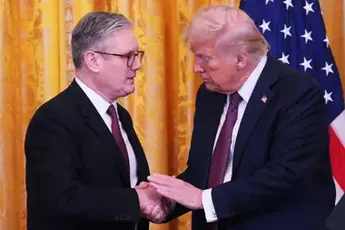
The United States, backed by its Arab and Muslim partners, is pushing to pass a new UN Security Council resolution aimed at solidifying the ceasefire in Gaza and supporting President Donald Trump’s peace plan. However, this effort faces significant hurdles, most notably the growing disagreements between Washington and Tel Aviv over several key provisions.
The resolution, scheduled for a vote next Monday, is expected to include elements absent from Trump’s original plan—chief among them the Palestinian people’s right to self-determination and a clear pathway leading to the establishment of an independent Palestinian state. It also outlines a direct American role in launching dialogue between Palestinians and Israelis to pave the way for peaceful coexistence, while emphasizing the temporary nature of the “Peace Council” that would administer Gaza for up to two years.
Yet, according to sources cited by Yedioth Ahronoth, the U.S. plan contains clauses that are “uncomfortable” for Israel. Channel 13 also reported ongoing fundamental disputes that are preventing Washington and Tel Aviv from agreeing on the implementation mechanisms of the plan.
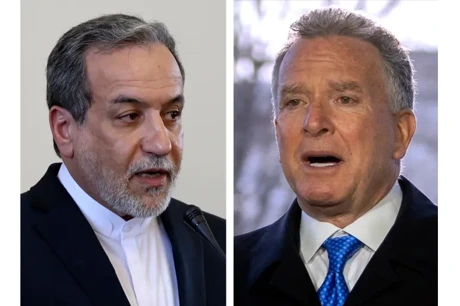
The proposal also faces technical and political challenges. Former U.S. National Security Council adviser Mark Pfeifle noted that the plan still requires deeper discussions to avoid potential confrontations between the stabilization force and Palestinian factions. Pfeifle added that current talks revolve around deploying 20,000 soldiers from various countries for a maximum of two years, before transferring Gaza’s administration to the Peace Council, which Trump is expected to chair.
A significant point of contention also lies in the Arab–American divide: Arab and Muslim leaders insist on explicitly mentioning the establishment of a Palestinian state, while the U.S. and Israel oppose including such language before reforms are made within the Palestinian Authority. According to Pfeifle, Washington wants a clear roadmap in place before agreeing to reference statehood in the resolution text.