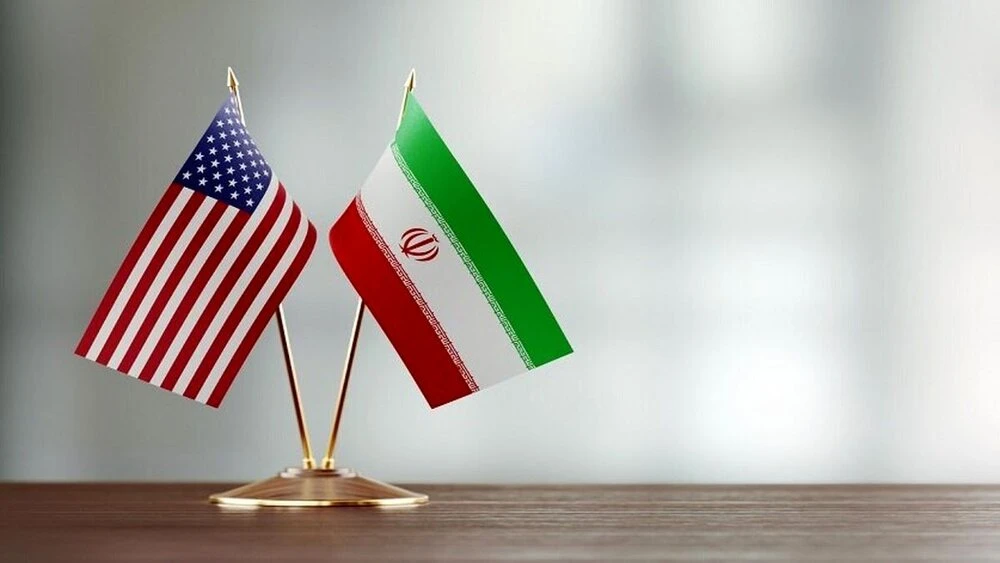
An article published by Foreign Policy magazine states that tensions between Washington and Tehran have reached levels not seen in years. However, this escalation does not necessarily signal the outbreak of a comprehensive war. According to the analysis, the more likely scenario is a limited and carefully calculated U.S. strike designed to shift the balance of power in negotiations rather than trigger a wide regional confrontation.
This assessment comes as The Wall Street Journal reported that the U.S. Department of Defense (the Pentagon) has ordered a second aircraft carrier to prepare for deployment to the Middle East in anticipation of a potential attack on Iran, citing three American officials.
The article’s authors, Arash Rezainghad from the Middle East Centre at the London School of Economics and Arsham Rezainghad, a lecturer in economics at the University of Essex, argue that the current military buildup is not a prelude to invasion but rather a pressure tactic within a complex negotiating framework. In international politics, they note, the threat of war is often used as a bargaining tool to improve negotiating leverage.
According to the analysis, what is unfolding is not the collapse of diplomacy but its transition into a more delicate phase, where quiet talks are intertwined with military signaling. While Washington continues to reinforce its military presence in the region, Tehran remains firm on its right to enrich uranium. At the same time, both sides are reportedly engaged in discreet talks in Oman to test the limits of possible concessions.
The article presents the idea of a “calculated strike” as a potentially ideal option for President Donald Trump, allowing him to project strength and signal support for Iranian protesters without becoming entangled in a prolonged war. It would also strike a balance between competing camps in Washington—one arguing that Iran is experiencing an unprecedented moment of weakness that should be exploited to extract major concessions on its nuclear program, missile capabilities, and regional proxies, while some voices go even further by calling for regime change.