The recent war involving Iran has revealed the complex interdependence of global pharmaceutical supply chains—an interconnection that can quickly become a critical vulnerability during times of conflict. Disrupting a single route, such as the Strait of Hormuz, can directly impact the availability of medical supplies worldwide, causing shortages even in distant countries.
The Strait of Hormuz is a vital artery for global energy, with nearly a quarter of the world’s oil and gas passing through it. This makes it essential for the production of petrochemicals used in manufacturing medicines and medical supplies. Gulf countries also play a central role in pharmaceutical trade, acting as a key transit hub connecting Africa, Asia, Europe, India, and the United States.
Temperature-sensitive medicines are among the most vulnerable to disruption, including cancer treatments, vaccines, and insulin, all of which require strict storage conditions. Any delay in shipping can lead to spoilage, resulting in shortages that strain healthcare systems.
The impact has also extended to diagnostic services. Disruptions affecting gas production—particularly helium—have raised concerns, as helium is crucial for cooling Magnetic Resonance Imaging (MRI) machines. With Qatar being one of the world’s leading producers, any supply issues could drive up prices and affect the efficiency of medical diagnostics.
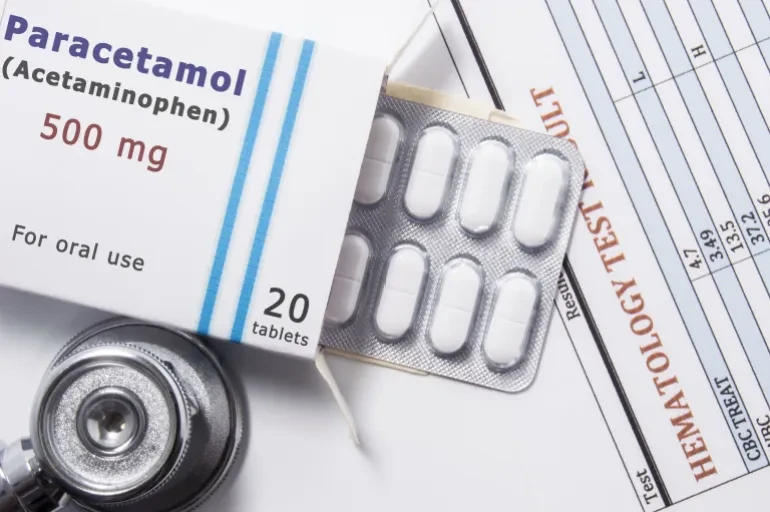
Common medications such as painkillers are also at risk, as they rely on petrochemical-based raw materials. Rising oil prices and increased shipping and insurance costs contribute to higher production expenses, ultimately leading to price increases and reduced availability—especially in markets already facing shortages.
Although major pharmaceutical companies maintain stockpiles that can last for several months, prolonged disruptions in shipping routes could gradually deplete these reserves. The World Health Organization has warned of serious global health consequences, noting that ongoing conflicts may place additional pressure on supply chains and increase the risk of disease spread, particularly among vulnerable populations.
These developments highlight a growing reality: geopolitical crises are no longer confined to politics and economics—they now have direct and far-reaching impacts on global public health, underscoring the urgent need for more resilient and adaptable medical supply systems.