Moving beyond the myths of "superfoods" flooding social media, international health organizations reveal a shocking truth: unbalanced nutrition is responsible for one-fifth of cancer cases worldwide. What is the real, science-based menu that protects your body away from the marketing hype?
Alexandre Kopiecko, Head of Prevention at the French League Against Cancer, explains that nutrition is not just fuel for the body—it is the first line of defense against the "silent killer." Here is a practical guide to the ideal diet based on the latest scientific recommendations:
1. The "5-a-Day" Rule: Vegetables First
The secret lies in variety, not in a single "miracle" ingredient. It is recommended to eat at least five portions daily (one portion equals 80–100g, such as one tomato or an apple).
2. Fiber Heroes: Legumes and Whole Grains
-
Legumes: Eat lentils, chickpeas, or beans at least twice a week. They regulate blood sugar, lower "bad" cholesterol, and promote a feeling of fullness that prevents weight gain.
-
Whole Grains: Replace white bread and rice with whole-grain alternatives (brown rice, whole-wheat pasta) to ensure a steady flow of fiber, which is crucial for digestive health and preventing colorectal cancer.
3. Healthy Fats and Smart Protein
-
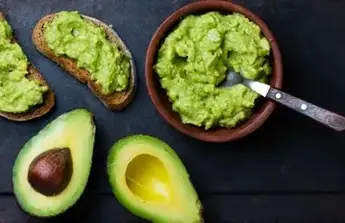
A Daily Handful: Consume one small handful of raw nuts (walnuts, almonds, pistachios) for healthy fats. Be careful not to exceed this amount due to their high caloric density.
-
Fish: Aim for twice a week, including at least one serving of fatty fish (sardines, mackerel, or salmon) rich in Omega-3.
4. Red Alerts: Processed Meats and Nitrites
-
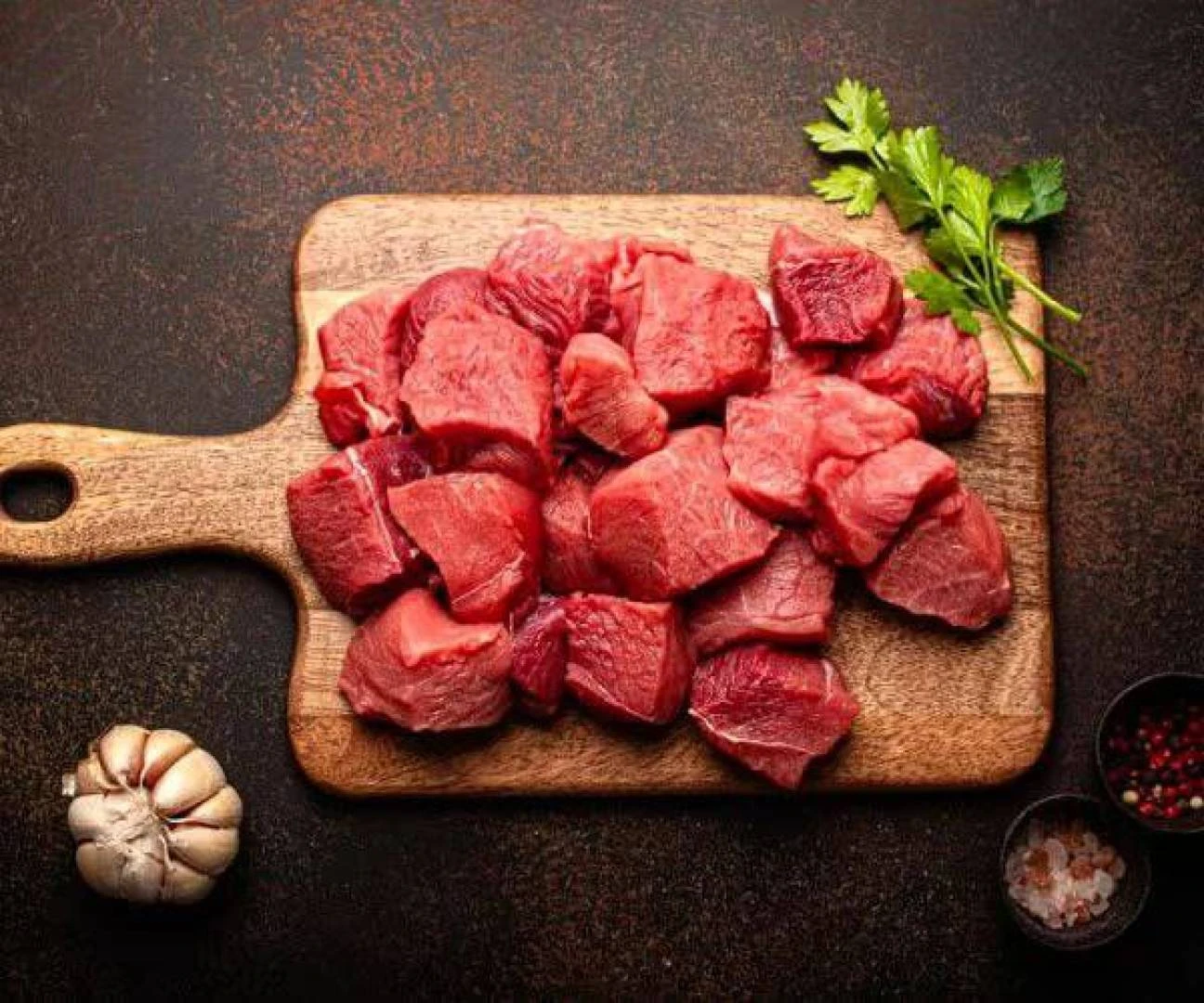
The Red Meat Trap: Limit consumption to no more than 500g per week. Focus on poultry or lean cuts.
-
The Danger of Processed Meats: Nitrites found in deli meats, sausages, and cured meats are responsible for thousands of cancer cases annually. Always opt for nitrite-free options whenever possible.
5. Enemies of Prevention: Sugar, Salt, and Alcohol
Prevention is not just about what you eat, but what you avoid. "Ultra-processed" products, sugary drinks, and alcohol—the latter being a leading preventable risk factor for breast and colorectal cancers—are the primary enemies of your long-term health.
The Bottom Line for Sustainable Prevention:
There is no "magic" food that prevents cancer on its own. Instead, it is a lifestyle system built on variety, moderation, and regular physical activity.