The U.S. Geological Survey reported that a 6.8-magnitude earthquake struck Iwate Prefecture in northern Japan on Sunday. Japanese authorities recorded small tsunami waves but reported no casualties so far.
The USGS stated that the earthquake's epicenter was 126 kilometers east of Yamada, at a depth of 10 kilometers below the surface, with no initial reports of damage. The Japan Meteorological Agency added that the quake was followed by aftershocks ranging from 5.3 to 6.3 in magnitude and issued a warning of potential tsunami waves in the prefecture.
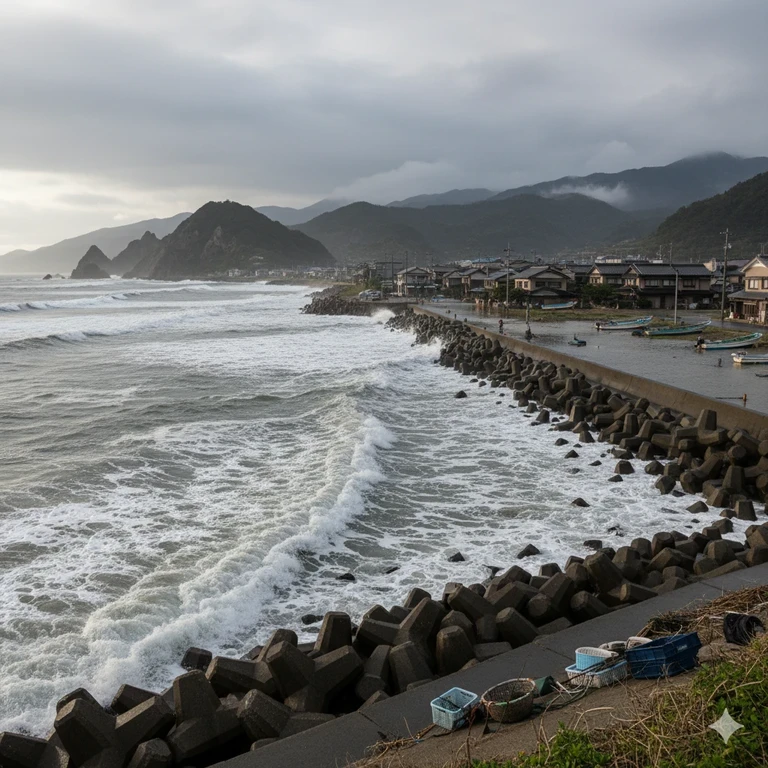
NHK, Japan’s public broadcaster, reported tsunami waves off the coast and urged residents to stay away from beaches and coastal areas, although live footage showed calm waters in some locations. The first tsunami wave reached Mikayo at 17:37 local time but was too small to measure, while another wave measuring 10 centimeters reached Ofunato two minutes later.
Earlier on Sunday morning, the same area experienced six smaller offshore earthquakes between 4.8 and 5.8 in magnitude, barely felt on land and causing no tsunami warnings.
The region previously suffered a massive 9.0-magnitude undersea earthquake in 2011, which triggered a tsunami that killed around 18,500 people and caused severe damage to the Fukushima Daiichi nuclear plant—the worst nuclear disaster since Chernobyl.
Japan sits at the junction of four major tectonic plates along the “Ring of Fire,” making it one of the most seismically active countries in the world, experiencing about 1,500 earthquakes annually. The damage from these quakes varies depending on their location and depth.