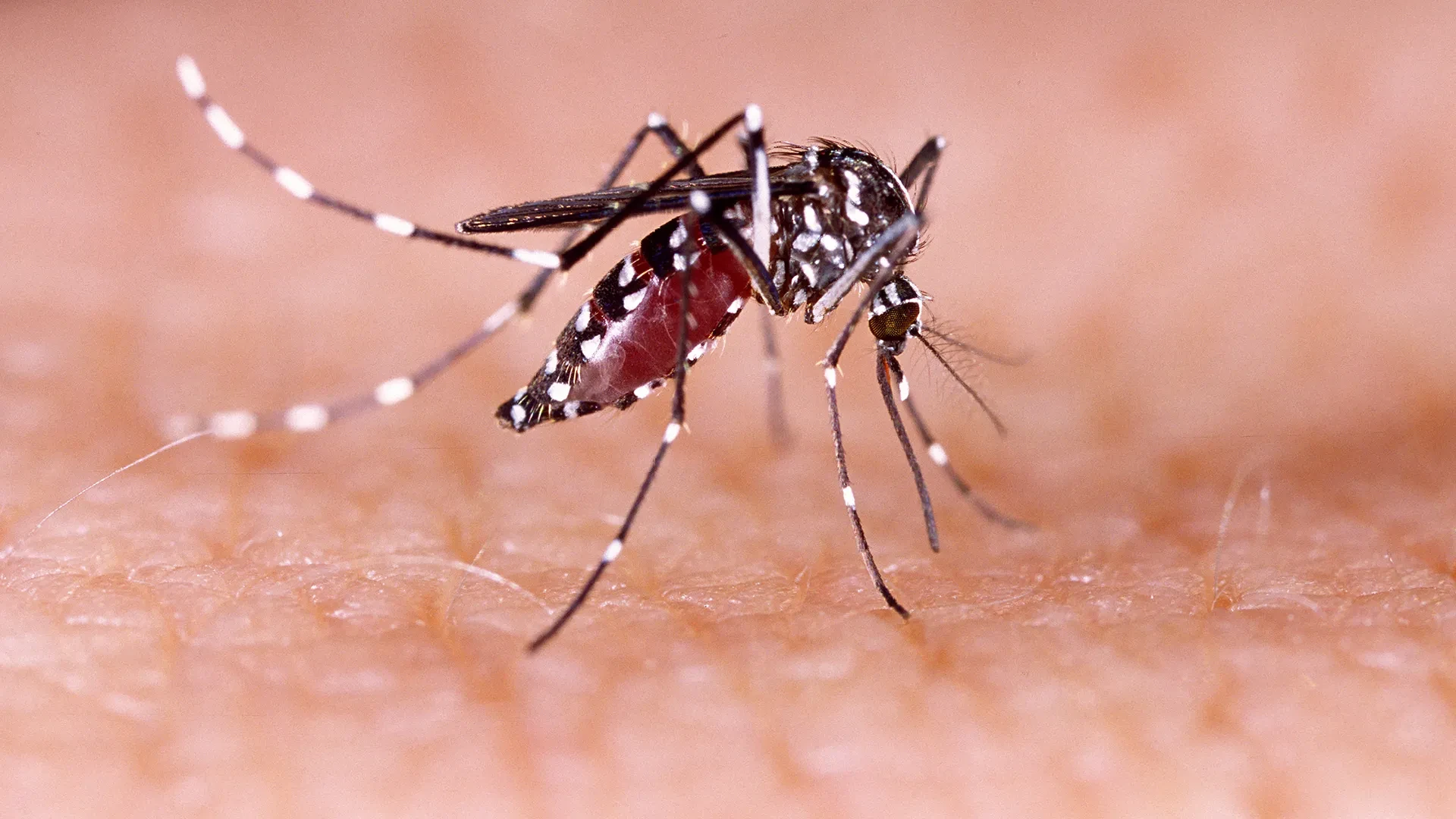
Summer marks the peak of mosquito activity and reproduction, as their life cycle accelerates and feeding rates increase, leading to a wider spread and more frequent bites. Although mosquito eggs typically cannot withstand extreme cold, some can survive if temperatures do not drop too low, explaining their presence even during winter.
Researchers believe that climate change, particularly global warming, has played a key role in enhancing mosquitoes’ ability to adapt to different environments. Thanks to their short life cycle and rapid reproduction, mosquitoes have been able to adjust quickly to these environmental shifts.
People do not respond equally to mosquito bites. Many notice that some individuals are more frequently bitten than others, even in the same setting. Scientists suggest that genetics play a major role in this, influencing what is known as a person’s “genetic scent signature,” which affects how attractive they are to mosquitoes.
Recent studies also show that the skin microbiome plays a crucial role in attracting mosquitoes. Natural skin bacteria produce compounds such as lactic acid and carbon dioxide, which are among the main attractants. Experimental findings indicate that reducing the production of these compounds may lower mosquito attraction, opening the door to new prevention methods.
Certain groups are more prone to allergic reactions, including children, people who work outdoors, those who have not been previously exposed to mosquito bites, and individuals with weakened immune systems. Reactions can range from mild itching to more severe symptoms requiring medical attention.
Experts recommend cleaning the bite area, applying cold compresses, and using topical treatments to relieve symptoms. Antihistamines may also be used when necessary. In some cases, excessive scratching can lead to complications such as bacterial infections, causing various skin conditions that may require treatment.