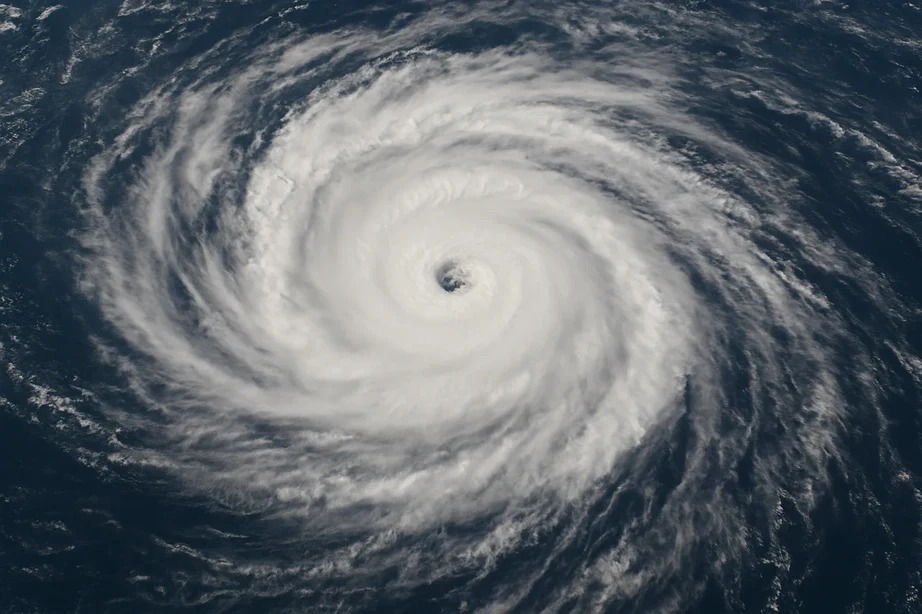
Several cities in southern China scaled back daily activities on Tuesday in preparation for the arrival of Typhoon Rajasa, one of the strongest storms to hit the region in years, after it had already killed three people and displaced thousands in the Philippines.
The Hong Kong Observatory reported that the typhoon, with sustained winds near its center reaching around 230 kilometers per hour, is moving west-northwest at a speed of 22 kilometers per hour across the northern part of the South China Sea, approaching the coast of Guangdong Province, the economic hub of southern China.
After issuing a strong wind warning, the observatory announced it would raise Storm Signal No. 8 — the third-highest level in the city’s weather warning system — on Tuesday afternoon, with the possibility of further escalation on Tuesday night or Wednesday morning.
Meanwhile, China’s National Meteorological Center predicted the typhoon would strike coastal areas between Shenzhen City and Xiuwen County in Guangdong on Wednesday.
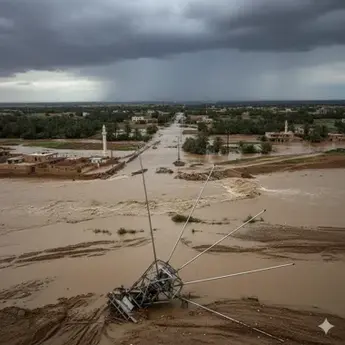
The storm’s approach led to the suspension of work, school closures, and halted transportation in Shenzhen and about ten other major cities home to tens of millions of people. Authorities in Shenzhen warned that the typhoon is expected to bring severe impacts from strong winds, heavy rainfall, storm surges, and flooding starting on the night of September 23, urging residents to remain indoors unless absolutely necessary, except for rescue teams and essential service providers.
In addition, authorities in Guangzhou Province ordered the suspension of industrial and commercial activities. Some of these measures took effect on Tuesday morning, while others will gradually be implemented as the typhoon nears the Chinese coast.
Official Safety Measures Issued by Authorities:
-
Stay indoors and avoid going out unless absolutely necessary.
-
Stock up on sufficient water, food, and emergency supplies.
-
Disconnect unnecessary electrical devices to prevent accidents.
-
Stay away from windows and glass doors, and secure loose objects.
-
Follow weather forecasts and official warnings closely.
-
Prepare a first aid kit and alternative light sources in case of power outages.
-
Avoid driving on coastal roads or in low-lying areas prone to flooding.
-
Cooperate with rescue teams and strictly follow instructions from local authorities.