The escalating conflict between Washington and Tehran has reached a perilous turning point. U.S. President Donald Trump has declared his readiness to deploy American ground troops to Iranian soil, asserting that current operations are merely the prelude to an imminent "big wave" of attacks. These statements come amidst a rising death toll and widening airstrikes, highlighting a growing rift with key allies—most notably Britain—who remain reluctant to join direct offensive maneuvers.
Trump: Military Force is the "Last and Best Chance"
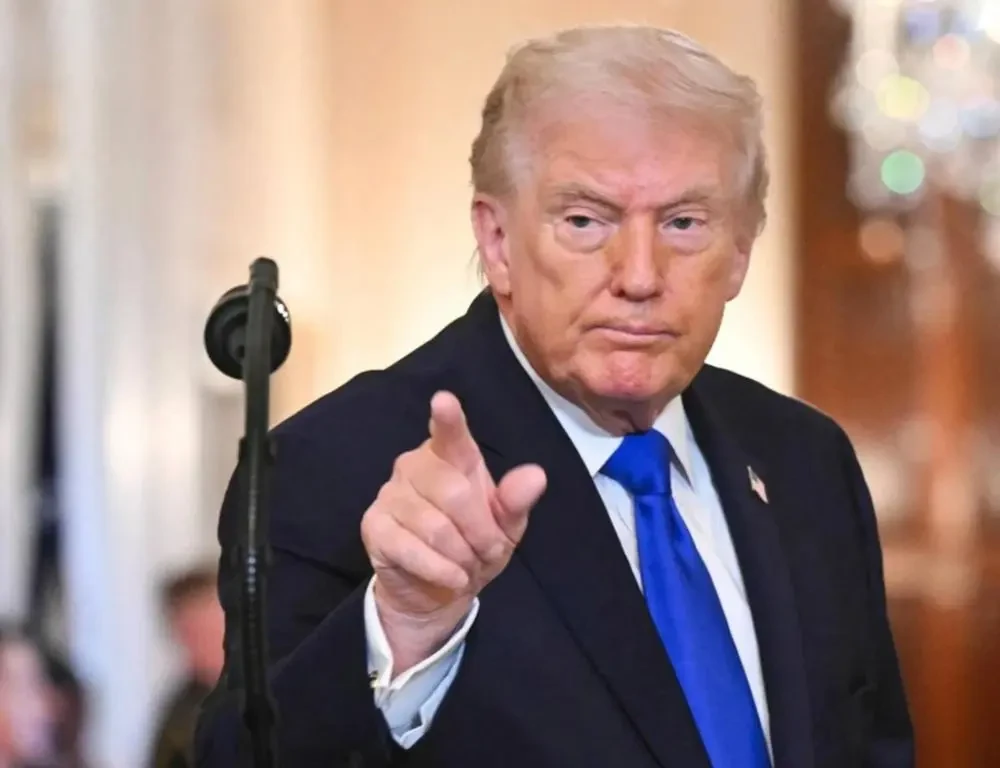
During a White House event on Monday, President Trump maintained that the decision to launch a war against Iran was a necessary final resort to prevent Tehran from developing its nuclear program. Trump issued several high-stakes declarations regarding the military and political landscape:
-
Readiness for Invasion: He stated he has no fear of sending U.S. troops into Iranian territory and will not hesitate "if it becomes necessary."
-
War Endurance: He dismissed concerns over the conflict's duration, claiming Washington is prepared to sustain the war for much longer than 4 to 5 weeks.
-
Imminent Escalation: He warned that the "big wave" of strikes has not yet happened and is "coming soon," describing current actions as just the beginning.
-
Initial Successes: He confirmed the destruction of 10 Iranian vessels, expressing full confidence in the campaign's trajectory.
Trump’s remarks included sharp criticism of his allies, specifically targeting British Prime Minister Keir Starmer. Trump accused Starmer of being "too slow" to authorize the use of the joint Diego Garcia base for strikes against Iran, expressing deep disappointment.
In a swift rebuttal before the House of Commons, Starmer maintained a cautious and independent stance, clarifying:
The UK was not involved in the initial strikes and will not participate in any offensive attacks launched by the U.S. or Israel.
British involvement will remain strictly "defensive," focused on protecting regional allies and interests.
Starmer warned that the killing of Iranian Supreme Leader Ali Khamenei would likely provoke more attacks rather than prevent them
The Battlefield: High Casualties and Regional Sprawl
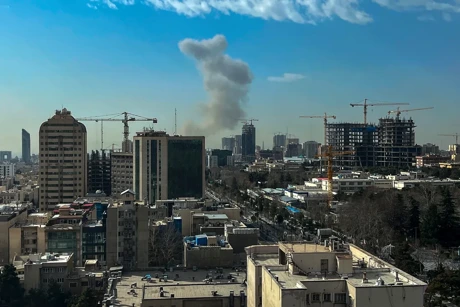
According to official sources, the two-day military campaign—which targeted Iran’s political and military leadership—has resulted in a grim toll:
-
In Iran: At least 555 people have been killed in the ongoing aerial campaign, with over 130 cities coming under fire.
-
U.S. and Israeli Casualties: U.S. Central Command (CENTCOM) reported 4 soldiers killed, while Israel has recorded 11 fatalities.
-
The Iranian Response: Tehran has retaliated with massive volleys of ballistic missiles and drones targeting Israel and various locations across the region following the confirmed death of Ali Khamenei.