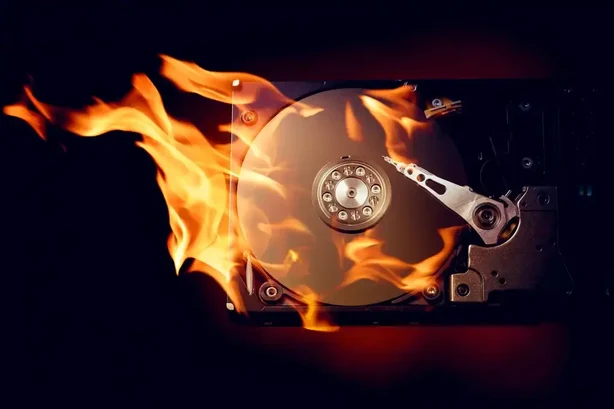
It’s a well-known struggle for IT teams everywhere to convince management about the importance of data backups — and South Korea just learned that lesson the hard way. On September 26, a massive battery fire at the National Information Resources Service data center in Daejeon destroyed 384 battery packs and wiped out 858 terabytes of government data — with zero backups.
To understand how big that is, 858 terabytes equals about 879,000 gigabytes.
The blaze took down 96 government systems, 95 of which had recoverable backups. The only exception was the G-Drive system (not related to Google Drive), mainly used by the Ministry of Personnel Management. Unfortunately, it stored years of sensitive government documents without any backup plan in place.
Officials estimate that around 17% of central government employees were affected, with roughly eight years of data gone for good. The fire also crippled email, online post office services, petition platforms, and even the 119 emergency service. Recovery has been slow — by October 4, only 17.8% of services were restored, and teams are still figuring out exactly what was lost.
According to one insider, the reason G-Drive didn’t have backups was because its data “was too large to back up,” a claim that seems odd given the scale of modern data centers where petabytes of storage are standard. It’s an especially surprising failure for a country known for its tech prowess, home to global giants like Samsung.
G-Drive, a Google Drive–style document sharing system, allotted each employee 30 GB of storage and encouraged workers to store all data there instead of on office computers — a sound policy, except when backups don’t exist. Ironically, older legacy systems ended up surviving the disaster unscathed.
While the fire itself caused no fatalities, tragedy struck days later when a government worker involved in the recovery effort took his own life. Authorities have since arrested four individuals suspected of criminal negligence related to the incident.