
☕ Coffee — The Secret to Staying Strong After 50!
That morning cup of coffee might be more than just a daily ritual — it could actually help protect you from frailty and loss …
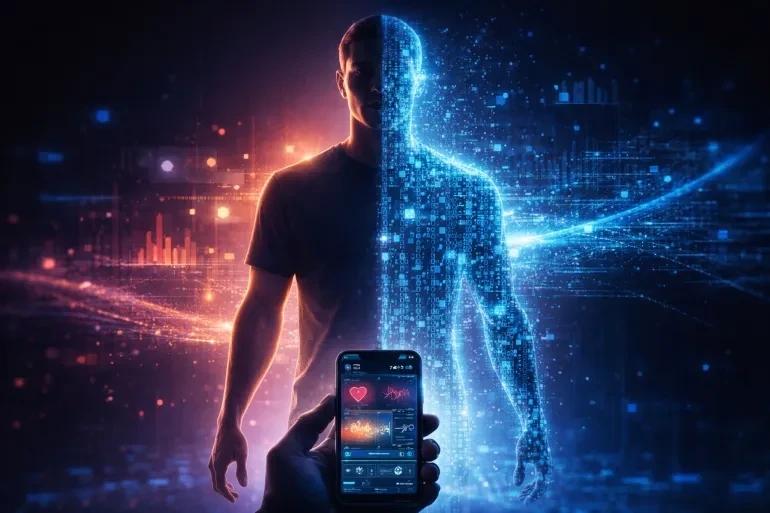
The motto is no longer "I feel, therefore I am," but rather "My smartwatch recorded it, therefore I am well." In 2026, the human body has shifted from a unique sensory experience to a collection of algorithms and charts, fueled by an intense economic race led by tech giants.
The Economy of the Body: The wearable medical device market surged to $45 billion in 2024 and is projected to exceed $160 billion by the end of the decade. Your heartbeat has effectively become the "new oil" for global investment funds.
Illusion vs. Certainty: Trust is gradually shifting from innate physical intuition (feeling tired or rested) to "screen interpretation." This creates a paradox: users may gain a false sense of security or suffer from heightened anxiety triggered by algorithmic alerts that aren't always accurate.
Who Owns Your "Digital Twin"?: Your most sensitive health data is now stored in global clouds outside traditional medical institutions. This raises existential concerns about data privacy and the potential for "health meritocracy" in insurance, employment, or social profiling.
The Digital Health Divide: A new form of social inequality is emerging; while the affluent enjoy the luxury of proactive AI monitoring, millions remain excluded from this "predictive umbrella" or rely on less secure tools.
The real challenge in 2026 is not the precision of sensors, but the preservation of "human space." Technology intended to free us from disease risks imprisoning us in an obsession with numbers, turning the "statistical average" into a rigid cage that ignores the natural diversity of human bodies.
That morning cup of coffee might be more than just a daily ritual — it could actually help protect you from frailty and loss …
Pumpkin may be a festive favorite, but its health benefits shine all year long. Rich in fiber, potassium, and antioxidants, this vibrant vegetable packs …
With nearly 57 million people worldwide living with dementia, modern research is searching for a "lifeline" within our daily habits. While the disease remains …
After decades of uncertainty, scientists at the Gladstone Institutes (USA) have identified the gene responsible for heart defects in children with Down syndrome. By …
As winter approaches and cold and flu season peaks, many people instinctively reach for vitamin C tablets or ginger, honey, and lemon drinks. However, …
Created by leading nutrition scientists, the Portfolio Diet offers a powerful, natural approach to lowering cholesterol—using plant-based foods that can match the effectiveness of …