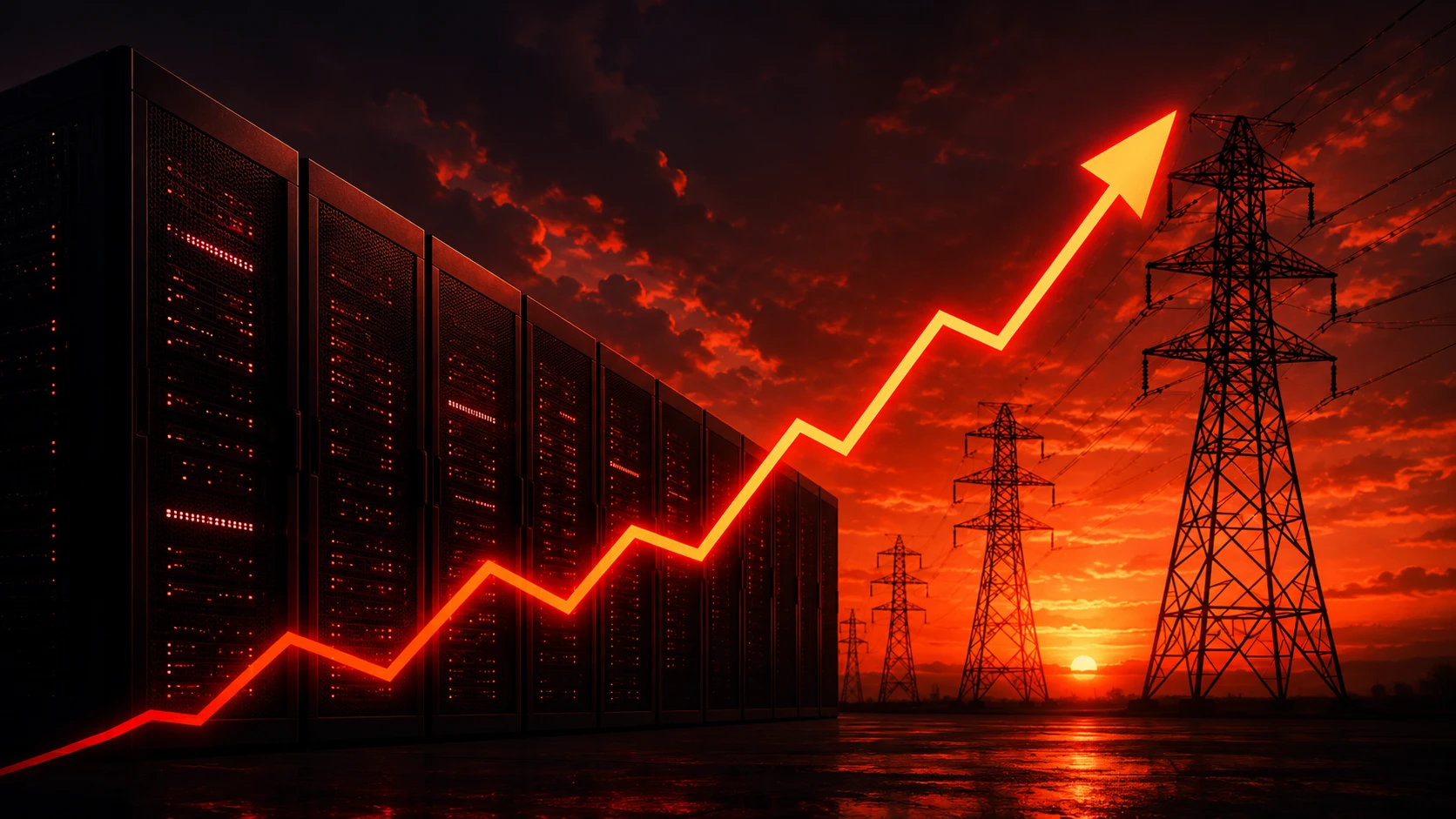
A new report from Monitoring Analytics, the independent watchdog that oversees the PJM Interconnection power grid, says the rapid growth of AI data centers is a major reason electricity prices are rising sharply across the largest power market in the United States.
According to the report, wholesale electricity prices increased from $77.78 per megawatt-hour in the first quarter of 2025 to $136.53 during the same period this year — a jump of 75.5%. The watchdog warned that prices could continue rising unless action is taken before the next major power auction in June 2026.
The report criticizes PJM Interconnection for planning to include growing data center demand directly into future electricity forecasts. Monitoring Analytics argues that this approach would push electricity prices even higher for households and small businesses instead of making large tech companies cover the costs created by their expanding AI infrastructure.
One possible solution mentioned in the report is requiring data centers and other major power users to negotiate directly with electricity producers for the energy they need. The watchdog believes this could help keep utility bills more stable for regular consumers while ensuring tech companies pay for the extra infrastructure required to support AI operations.
The report also says the current electricity market likely would not be facing such extreme price increases without the rapid expansion of AI-related data centers.
Monitoring Analytics further claims that PJM benefits from keeping data center demand inside the general market because higher demand naturally leads to higher auction prices. Those higher costs eventually pass through utilities and end up on consumer electricity bills.
The issue has also started attracting attention from the federal government. Earlier this year, President Donald Trump reportedly met with several major AI companies and pushed them to promise they would pay for their own infrastructure needs instead of passing the costs onto the public.
Still, the report notes that these promises are voluntary for now. Without new federal laws or stronger regulation, consumers could continue paying higher electricity bills as AI infrastructure keeps expanding.