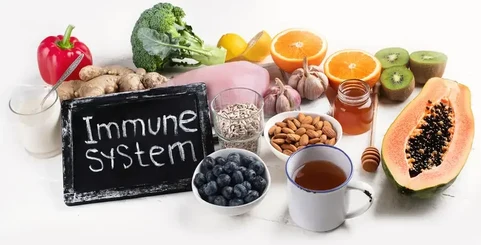
As winter approaches and cold and flu season peaks, many people instinctively reach for vitamin C tablets or ginger, honey, and lemon drinks. However, nutrition and immunity experts stress that strengthening your immune system doesn’t rely on a single nutrient, but on a varied diet and a healthy lifestyle.
According to British immunology professor Dr. Gina Machioki, about 70% of immune system support begins in the gut, making proper nutrition the first line of defense against illness. She adds:
“Vitamins A, C, and D, along with minerals like zinc, iron, magnesium, and selenium, work together to support immunity… no single nutrient can do the job alone.”
Based on a report by the Daily Mail, here are five essential foods recommended by experts to strengthen your immune system this winter:
🥤 1. Orange Juice
While vitamin C cannot prevent colds, regular intake reduces the duration and severity of symptoms.
Nutritionist Dr. Carrie Rockston says one cup of fresh orange juice provides over 80% of the daily vitamin C requirement.
Other good sources include kiwi, red bell pepper, berries, grapefruit, and leafy greens.
🥣 2. Yogurt and Fermented Foods
Research shows that fermented foods like yogurt, cheese, and kimchi help diversify beneficial gut bacteria, which strengthens immune cells.
A Stanford University study found that participants consuming these foods for ten weeks had lower inflammation and improved immune response.
“Even one cup of yogurt a day can make a noticeable difference in microbiome balance and immune support.” — Dr. Machioki
🐟 3. Fatty Fish
Vitamin D is essential for fighting respiratory infections.
Professor Daniel Davis from Imperial College London explains:
“Vitamin D activates T-cells — the soldiers of the immune system — and boosts production of bacteria-fighting proteins.”
Since about one-third of Brits are deficient in vitamin D during winter, experts recommend salmon, mackerel, sardines, or supplements in autumn and winter.
🦪 4. Oysters
Oysters are among the richest sources of zinc, which helps the body produce new immune cells and fight infections.
Every 100 grams of raw oysters contain approximately 16 mg of zinc, nearly the daily recommended amount.
Even mild zinc deficiency can make the body more susceptible to viruses, so include seafood, nuts, and legumes in your diet.
🍖 5. Lean Red Meat
Contrary to popular belief, lean red meat is not harmful. It’s rich in protein, iron, zinc, and B vitamins.
Studies show that 1 in 10 women suffers from iron deficiency, leading to fatigue, reduced concentration, and weakened immunity.
Iron can also be obtained from beans, chickpeas, nuts, and dried fruits, ideally consumed with vitamin C-rich foods to enhance absorption.
🩺 Expert Advice
Dr. Machioki warns that stress and lack of sleep can weaken immunity, regardless of diet.
“The immune system depends not only on food but on overall lifestyle — sufficient sleep, daily movement, and mental balance.” 🌿