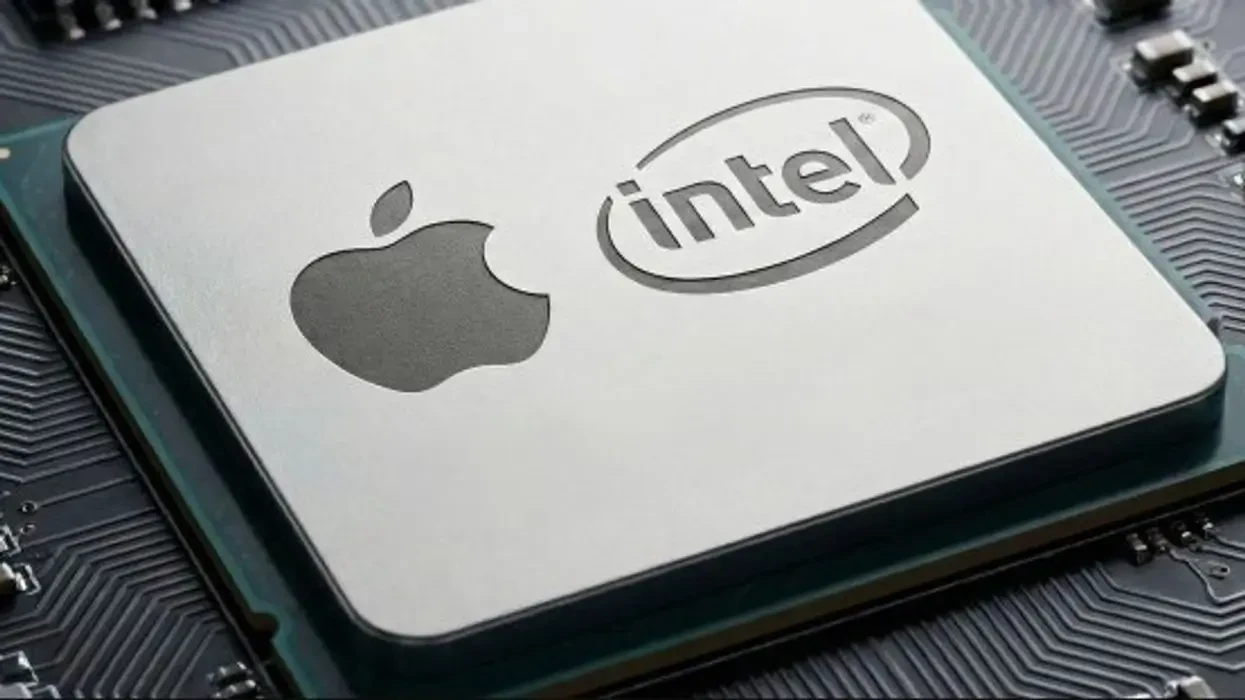
Intel is back in the spotlight after new information suggested that it may re-enter Apple’s supply chain—this time by manufacturing iPhone chips, not designing them.
According to a research note from GF Securities, analyst Jeff Pu predicts that Apple and Intel are likely to reach an agreement that would allow Intel to manufacture part of the processors used in future iPhones, particularly the non-Pro models starting in 2028. Reports indicate that these processors would be built using Intel’s advanced 14A technology and may be part of the upcoming A22 series, expected to power the iPhone 20 and iPhone 20e.
Despite this renewed cooperation, Intel’s role would remain limited to manufacturing only, while Apple continues to design its chips in partnership with its primary manufacturer, TSMC. This means Intel is not returning as a full chip designer like it once was with older x86-based Mac devices.
These expectations echo earlier reports hinting at a broader partnership, including the possibility of Intel producing low-performance M-series chips for future Mac and iPad models by 2027 using its 18A process.
This potential move comes at a time when Apple is seeking to diversify its supply chain and reduce its heavy reliance on TSMC, while Intel is working to regain its position in the advanced semiconductor race.
If the collaboration succeeds, Apple would gain greater manufacturing flexibility, and Intel would secure a major client that could help restore its industry presence — while users may not notice any difference, as long as performance matches current expectations.
Although many details remain unclear, more information is expected to emerge as 2028 approaches — a shift that could reshape the future of the global semiconductor market.