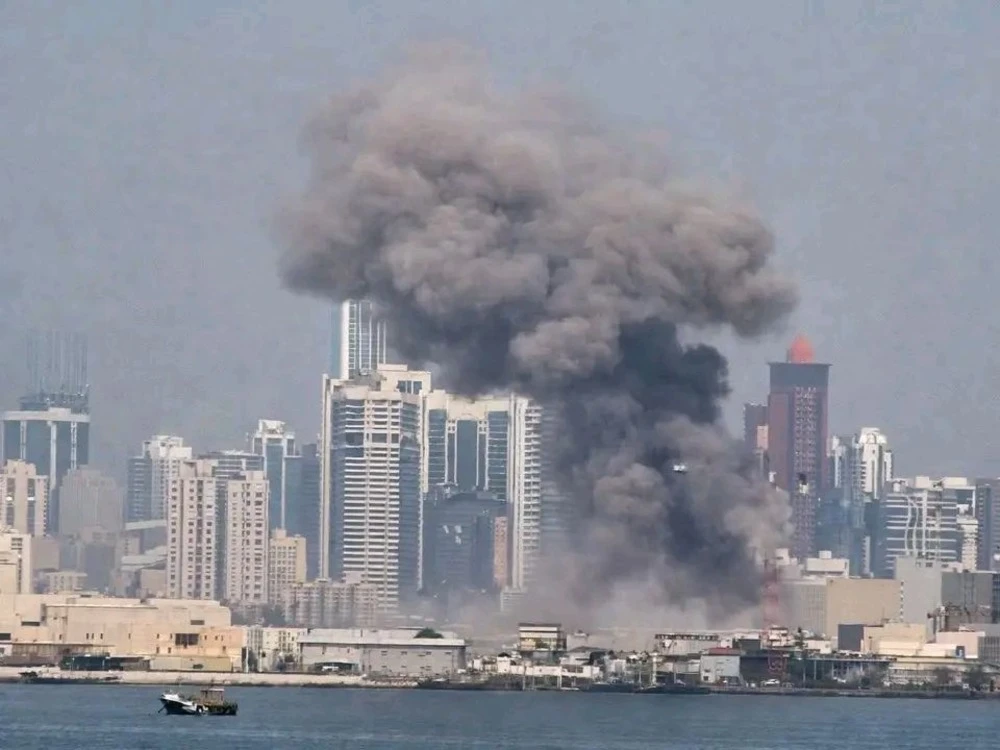
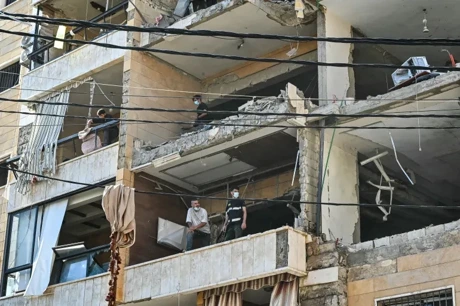
The Gulf region witnessed an unprecedented security escalation in both intensity and geographical scope starting early Sunday, March 8, 2026. In a dangerous development, five Gulf states—Saudi Arabia, the UAE, Kuwait, Qatar, and Bahrain—were subjected to a series of intensive attacks involving ballistic missiles and drones launched from Iran, putting regional air defense systems on high alert.
The Field Situation: Targeting Infrastructure and Civilians
The attacks were not limited to military targets but extended to vital civilian infrastructure. In Kuwait, direct damage was reported at airport fuel tanks and government buildings, while the Ministry of Interior announced the martyrdom of two border security personnel. In Dubai, falling debris from an aerial interception led to a human tragedy with the death of a Pakistani driver, alongside material damage in the Dubai Marina area.
Saudi Arabia, which faced a significant portion of these attacks, successfully intercepted strikes targeting Riyadh's Diplomatic Quarter and Prince Sultan Air Base. Furthermore, dozens of drones aimed at the Shaybah oil field were neutralized. Similarly, Doha and Manama announced successful interceptions of attacks launched toward inhabited areas and vital ports.
International Reactions: Between Military Support and Diplomacy
Following these strikes, international positions were swift and clear:
-
Washington: The U.S. Central Command (CENTCOM) described the attacks as "deliberate and indiscriminate," reaffirming its commitment to protecting regional partners.
-
Ankara: Turkey took a firm stance, with Foreign Minister Hakan Fidan condemning the strikes and warning that "diplomacy is the only option," noting that such escalations push the region toward a wider conflict.
Future Outlook
This escalation raises difficult questions about the future of regional security. The direct targeting of "critical infrastructure" signals a shift in the nature of the engagement, making the coming phase more complex on both military and political levels. As Gulf nations work to contain the fallout, a major question remains: Will these events open a window for urgent diplomatic solutions, or are they the beginning of a new phase of open confrontation?