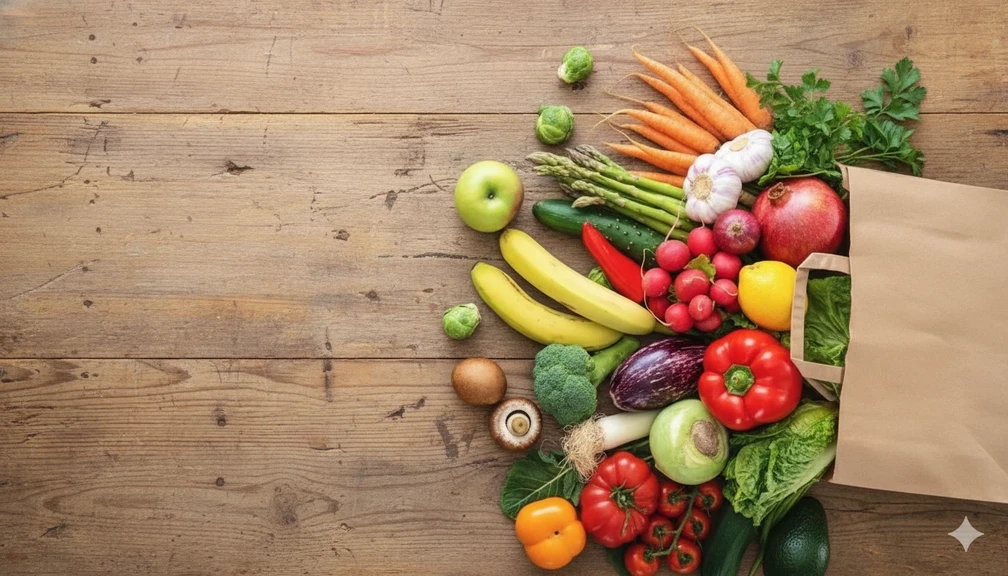
Managing diabetes can feel like a constant challenge, but the secret to better stability may simply lie in your daily meals. Several vegetables not only add freshness and rich nutrition to your plate—they also play a key role in regulating blood glucose levels thanks to their high fiber content, low glycemic index, and abundance of essential vitamins and antioxidants. According to the Times of India, these five vegetables stand out as particularly beneficial for people with diabetes.
1. Spinach
Spinach is an excellent choice for diabetics due to its extremely low carbohydrate content and high levels of fiber, magnesium, and potassium—all vital nutrients for supporting blood sugar control. It also contains alpha-lipoic acid, a compound linked to improved glucose regulation. Spinach is incredibly versatile: it can be blended into smoothies, tossed into salads, or served as a healthy side dish. A study published in Fathom Journal suggests that the nitrates naturally present in spinach can significantly enhance insulin sensitivity.
2. Broccoli
Broccoli is widely recommended for diabetes management thanks to its rich supply of fiber, antioxidants, and a powerful compound called sulforaphane. This compound has been shown to reduce inflammation and improve blood sugar control, especially in individuals with type 2 diabetes. One cup of cooked broccoli provides over 5 grams of fiber along with essential vitamins C and K. Research published in Science Direct highlights its potential to reduce hyperglycemia, insulin resistance, and oxidative stress associated with diabetes.
3. Bell Peppers
Crunchy and naturally sweet, bell peppers are a great addition to a diabetes-friendly diet. They are low in both calories and carbohydrates, making them an ideal substitute for higher-starch vegetables. Bell peppers are also rich in vitamin C, which may help lower blood sugar levels, as well as antioxidants like beta-carotene and flavonoids that reduce inflammation. A study published by the U.S. National Institutes of Health found that red bell pepper extract exhibited significant anti-diabetic properties.
4. Green Beans
Green beans are a simple yet effective option for managing blood sugar. They are low in calories and carbohydrates but provide a good amount of fiber and vitamin A. Unlike many legumes, green beans do not cause a sharp increase in blood glucose levels, making them suitable as a side dish or salad ingredient. According to a study on ResearchGate, green bean pods may support type 2 diabetes management due to their fiber content and their ability to inhibit enzymes related to carbohydrate breakdown.
5. Cauliflower
Cauliflower is packed with vitamin C, folate, and anti-inflammatory compounds. Similar to broccoli, it contains natural antioxidants that help combat oxidative stress—a key factor in diabetes-related complications. Its mild flavor allows it to blend easily into a wide range of recipes. Studies from the U.S. National Institutes of Health indicate that cruciferous vegetables like cauliflower offer meaningful anti-diabetic effects.
Tips for Managing Blood Sugar Levels
Maintaining healthy blood sugar isn't just about choosing the right vegetables. A balanced diet that includes whole grains, lean proteins, healthy fats, and plenty of vegetables—combined with regular exercise, hydration, stress management, and quality sleep—is essential. Monitoring glucose levels consistently and following medical advice help prevent complications and maintain long-term stability.
Smart Eating for a Healthier Life with Diabetes
Thoughtful food choices are a cornerstone of effective diabetes management. A diet rich in fiber and low in refined sugars, paired with portion control and consistent meal timing, can significantly improve glucose regulation and overall well-being. With the right lifestyle habits, living healthily with diabetes becomes not just possible—but empowering.